6 Riders, 6 Stories: A Content Marketing Guide for E-Bike Companies
May 20, 2026 By Lori Straus
May 20, 2026 By Lori Straus
Keep this in mind before you write a single word of e-bike content: most of your customers still drive. Let’s look at general stats for Canada and the US, both from 2023:
Living without a vehicle has declined for decades. US statistics show that 21.5% of households in 1960 didn’t own a single car. Here’s what the picture looks like for 2023 for the US:
When creating content for e-bike riders, assume they own or drive a car. (Those who don’t own a car may still use carshare programs.) The differentiator then becomes how they use their e-bike and vehicle.
Here are six distinct rider groups, what they want to know about e-bikes, and what that means for your content marketing.
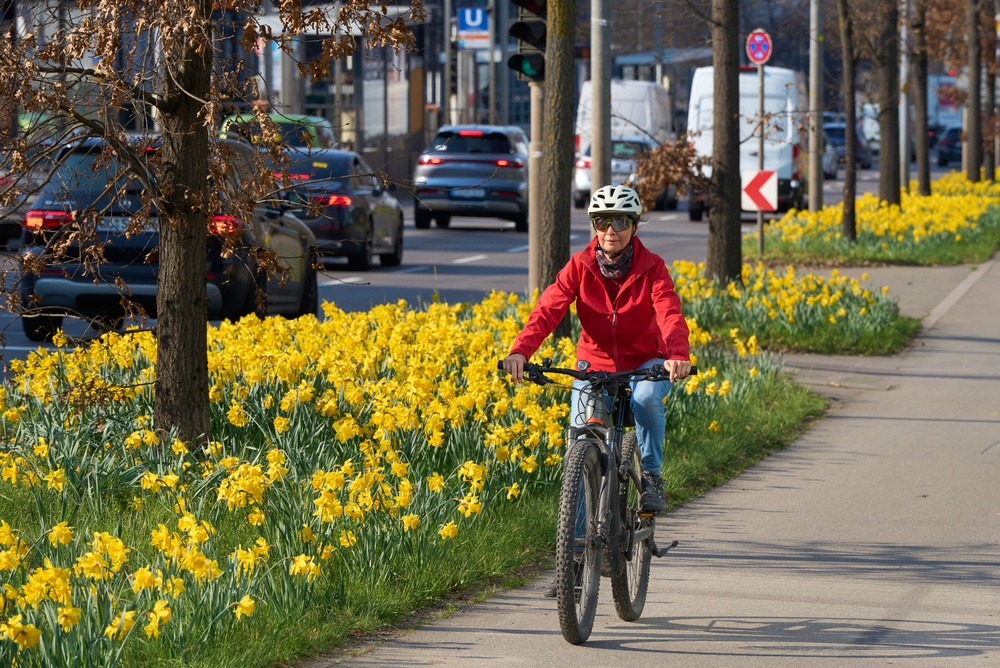
The commuter drives on some days, rides on others. They’re often trying to figure out where the e-bike fits into a life that was built around a car.
According to the U.S. Bureau of Labor Statistics, Americans spend an average of 2,670 USD (3,700 CAD) on gas and an additional 4,057 USD (5,600 CAD) on other vehicle expenses (data from 2023-2024). However, to advertise that a driver can save about 6,600 USD (9,300 CAD) per year by switching to an e-bike is unrealistic, because the urban commuter will still use their vehicle.
Instead, focus on the daily savings. The commuter who drives on Fridays to run errands and maybe once a week in uncomfortable weather still needs to understand what the bike saves them on the three days they could ride.
Also keep in mind that urban commuters in colder climes will likely store their bike once ice and snow accumulate.
Content ideas: Route planning, seasonal riding guidance, workplace storage options, cost comparison tools, wet-weather riding. This rider is asking, “How do I make this work in my daily life?”
Best practice: Target your content to the hybrid driver-rider and help them reduce dependency on their cars one trip at a time.
This rider likely uses their vehicle regularly. The e-bike is a leisure choice, not a transportation necessity. However, recreational riders often become more frequent riders over time, and some eventually start taking trips they used to drive.
A study published in the Transportation Research Interdisciplinary Perspectives journal found something counterintuitive: e-bike riders get more exercise than conventional cyclists because they ride more frequently and for longer distances. That finding is worth building content around, especially for riders who feel they’re “cheating” by using electric assist.
Content ideas: Route guides, health benefit explainers, how to extend your e-bike’s range, stories from people who’ve incorporated e-bikes into their lives. This rider is likely asking, “Is it worth owning an e-bike if I’m going to use it only occasionally?”
Best practice: Don’t assume this rider is ready to sell the car. Meet them where they are, and let the content gradually show them what more riding could look like.
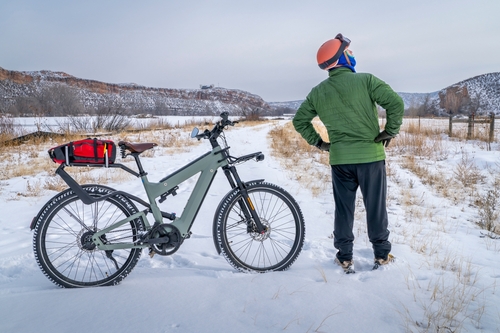
This rider typically drives to trailheads. The e-bike is firmly in the recreation category. But as trail access and infrastructure improve, we expect the relationship between driving and riding to shift for this group.
The global mountain e-bike market was valued at 8.08 billion USD in 2024 and is projected to reach 13.88 billion USD by 2030, according to Grand View Research. This is a technically sophisticated audience that reads specs carefully and values real-world performance data over marketing language.
Content ideas: Motor performance on grades, battery range at altitude and in cold temperatures, trail access by e-bike class, suspension setup. Prioritize video over written content for this group: they want to see the bike perform before they commit. This rider is asking, “Will this e-bike perform?”
Best practice: Don’t simplify your content for this rider. They’ve done the research. Your content should add what a spec sheet can’t: real-world context from people who’ve ridden the terrain.
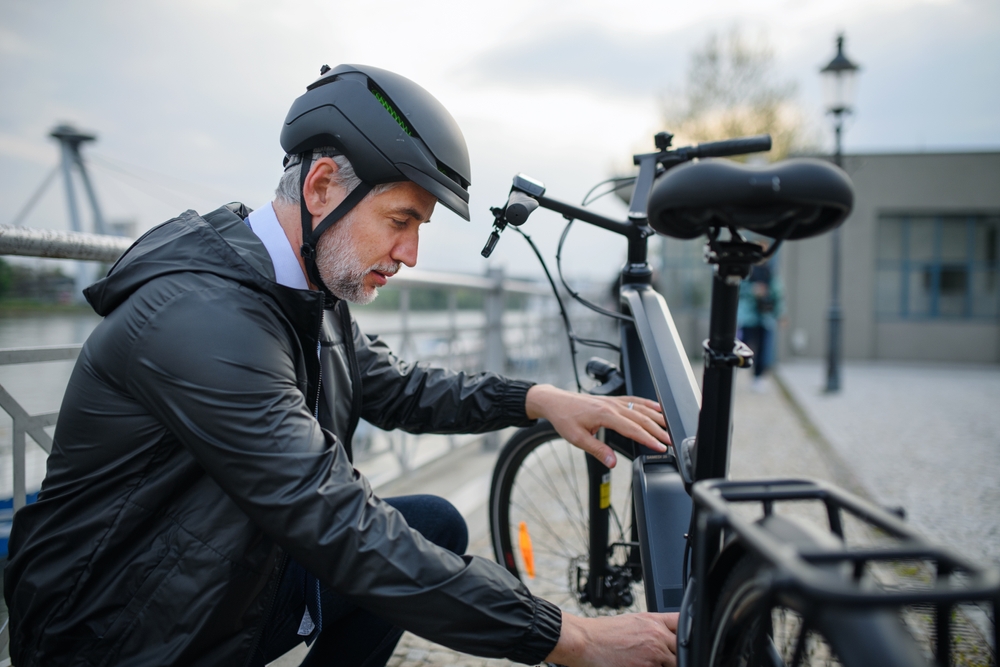
Many senior riders are returning to cycling after years away, or extending a riding life that physical changes have begun to limit. The car remains very much part of their life, but the e-bike gives them back trips they’d otherwise drive, e.g., to the grocery store, to a friend’s house, around the neighbourhood.
A July 2025 report from Cycle Toronto found that older adults want cycling education programs but don’t know where to start. That gap is a content opportunity your e-bike company can fill.
Content ideas: Ease of mounting, stability, low-effort starting, comfort over longer distances. This rider is asking, “How can I find and use an e-bike that fits my body as it is now, not as it was?”
Best practice: Many senior riders are experienced cyclists with high standards. Speak to their experience, not their age. Don’t assume they need convincing — they often need practical information and local resources.
For this rider, the e-bike fulfills a financial role. These are often people actively trying to reduce car dependence because purchasing, fuelling, and maintaining a car costs a lot, not because riding a bicycle of any kind is a passion.
Government incentive programs are directly relevant but frequently unknown to this rider. Salt Lake City ran a $230,000 e-bike incentive pilot in 2024, offering income-based vouchers ranging from $300 to $1,300. In Metro Vancouver, a BC provincial rebate program in 2023 reached approximately 5,000 people and generated $8.7 million in retailer revenue within two years, according to a UBC study.
These programs come and go. Companies that track them and publish clear, current information about what’s available in their market become useful resources for exactly the buyers they want to reach.
Content ideas: Total cost of ownership comparisons, rebate and incentive program guides, maintenance cost breakdowns, honest performance assessments of affordable models.
Best practice: This rider will avoid being steered toward something beyond their budget or talked down to about price. They are asking, “How can I use an e-bike to save money?”
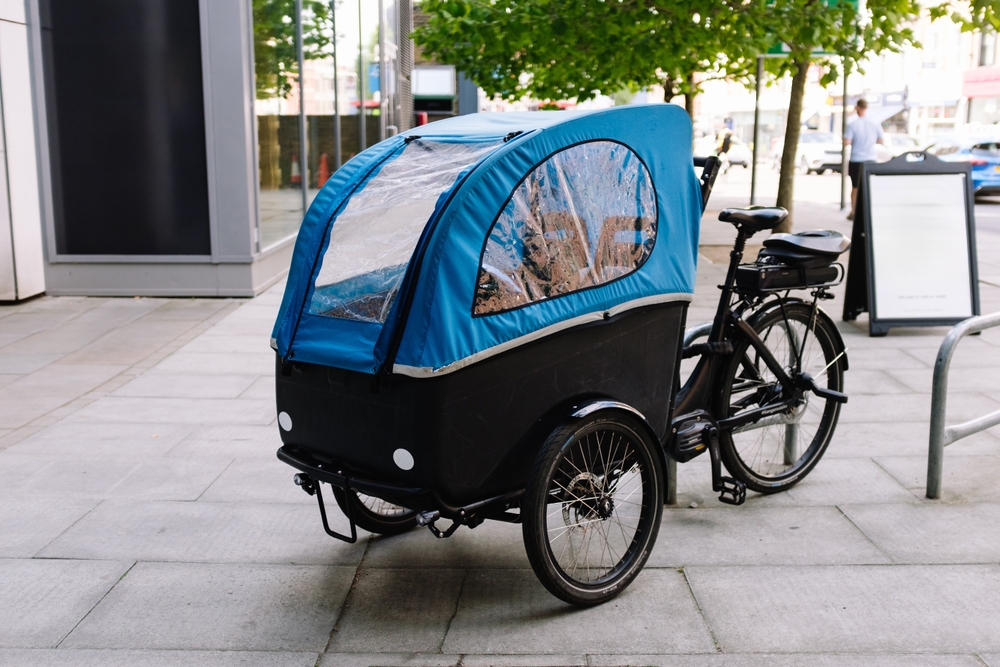
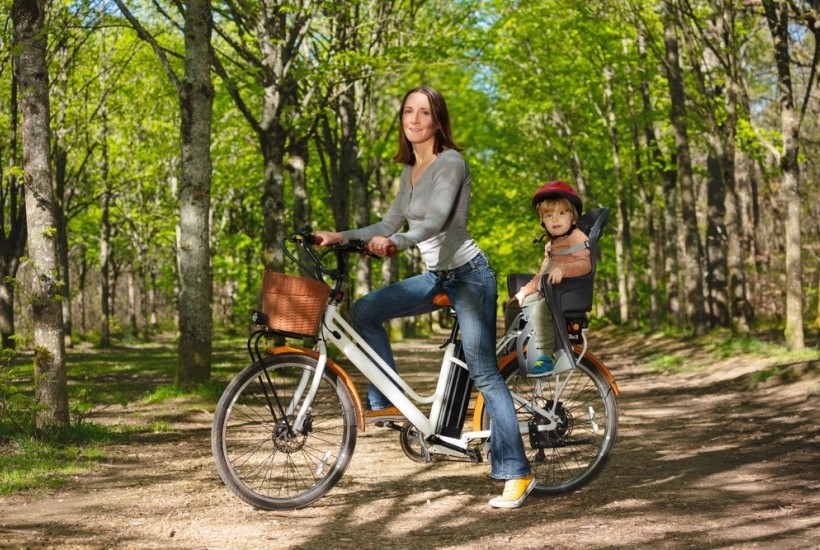
This buyer wants to solve a specific car-replacement problem. The second family car that handles school runs, grocery trips, and weekend activities is expensive to own and operate, and a cargo e-bike might do the same job for considerably less. They haven’t necessarily identified as a cyclist. Instead, they’re a parent with a logistics problem. Furthermore, these riders don’t necessarily live in the downtown core, where many services and shops are easily accessible.
Research from UBC’s REACT Lab found that in Metro Vancouver, suburban residents—where distances are longer and cycling infrastructure is thinner—were among the heaviest e-bike users following the province’s rebate program.
Content ideas: Scenario-based content that shows what daily life with a cargo e-bike actually looks like, e.g., the school run, the grocery trip, extra-curricular and weekend activities with kids, ensuring a planned route can accommodate the bike (bike paths can sometimes be too narrow). Address safety questions directly and honestly. This segment also wants to see videos that show them possibilities.
Best practice: This buyer is often not a cyclist first. Lead with the problem they’re trying to solve, not the product you’re selling. Consider them a sub-group of the budget-conscious rider with one caveat: they prioritize children, safety, and practicality.
Every rider on this list still has some relationship with a car: they’re trying to reduce reliance on it, replace it for specific trips, or find ways to enjoy the outdoors. Your most effective content marketing will acknowledge that reality, rather than writing for an idealized car-free audience that represents a small fraction of your actual market.
The more precisely your content speaks to where a rider actually is instead of where you’d like them to be, the more effectively it builds the trust that can eventually convert a reader into a customer.