Ontario E-Scooter Pilot Project Needs Better Communication
September 09, 2026 By Lori Straus
September 09, 2026 By Lori Straus
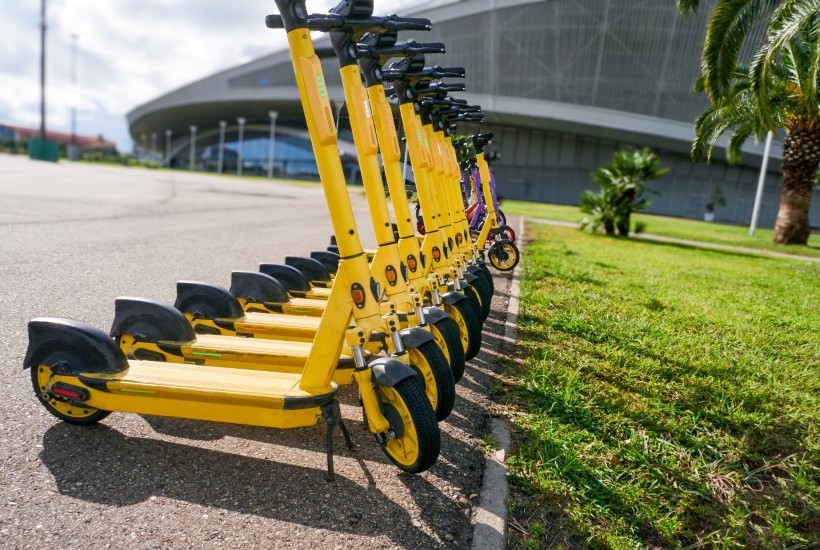
Last month, we in Waterloo Region had the honour of watching a video of an e-scooter rider keeping up with local highway traffic. Apparently, personal safety was not a consideration.
In less drastic events, e-scooters are often found lying around, sometimes even blocking sidewalks. Riders cut too close to pedestrians and ride where they’re not supposed to.
Mobility mayhem? Maybe.
But communication chaos probably contributes. Let’s take a look.
E-scooters are a convenient micro-mobility device. For example, they help a pedestrian cover four kilometres in about 10 minutes compared to 45 minutes or an hour on foot. They require less effort to operate than a bicycle.
However, e-scooters come with laws that users and almost everyone else are unfamiliar with. These laws, when followed, contribute to safe use while governments figure out how to best incorporate e-scooters into existing mobility and transportation infrastructure.
So, what are these laws? And why don’t you know about them?
How many of these laws do you know?
Finally, this is perhaps the most important legal fact that most people—riders and non-riders—don’t know: all rules of the road outlined in Ontario’s Highway Traffic Act apply to e-scooters, just as they do to bicycles.
(You can find all the necessary information on Ontario’s e-scooter pilot page.)
Each municipality that allows e-scooters (Toronto is not among them) can adjust those rules as necessary. These e-scooter laws in Waterloo Region differ from the province’s:
How much of that did you know? We’re guessing not much.
Why don’t you know? A gross lack of communication is part of the reason.
To help save lives and hold people accountable, laws involving devices that use well-established mobility infrastructure must be regularly communicated to the public.
Because e-scooters look like the toy scooters kids use, they seem harmless, but they aren’t. At their worst, they cause deaths, and just below that, serious head injuries.I ask the provincial government to support municipalities in the pilot project with materials informing locals of e-scooter laws and expectations. If the material is designed well, municipalities participating in the pilot can update the information to suit their jurisdiction.
Governments have many options:
I understand that not all forms of content can contain all relevant information. Furthermore, governments could run public campaigns that cost as much as hosting the FIFA World Cup and still have to inform someone they can’t ride their e-scooter on the highway.
However, when e-scooters come up in casual conversations and I share some of the above information, not a single person says, “I know.” Instead, surprise and sometimes anger take over our chat.
Ontario’s pilot project runs until November 27, 2029. I believe e-scooters will become so incorporated into many lives—and companies’ revenue—that they’ll stay.
This means we need improved communication now, so everyone understands how to use them safely.
Not everyone will abide by the laws. However, rolling out a pilot program that doesn’t fit into local mobility infrastructure and law enforcement procedures and then expecting everyone to figure it out as they go is irresponsible.
Communication matters.